

Agarwood
The resin-rich heartwood behind oud oil, one of the most valuable natural raw materials in the world.
About Agarwood
Agarwood, also called gaharu or oud, is the dark, fragrant resin that forms in the heartwood of Aquilaria trees when they are wounded or infected. Healthy wood is pale and odourless; resin-saturated wood is dense, dark and among the most expensive natural materials traded anywhere.
Aquilaria grows from the Himalayan foothills through Southeast Asia to Papua New Guinea, and at least 15 species can produce agarwood. Overharvesting has driven the wild genus close to extinction, so plantation-grown, inoculated trees are now the sustainable source of supply. Plantations International cultivates Aquilaria from selected genetic stock and manages the full cycle from nursery to distillation.
Ideal growing conditions
The site, soil and climate parameters our agronomists work to when developing a agarwood plantation.
Around 500 m is considered ideal
Good drainage matters more than fertility
Native to monsoon forests of Southeast Asia
Irrigation supports dry-season growth
Full sun as the canopy matures
Maintained genetic source material
What agarwood is used for
Oud oil
Distilled essential oil and a cornerstone of luxury perfumery.
Incense & bakhoor
Wood chips burned for fragrance across the Middle East and Asia.
Ceremonial use
Tied to religious practice in the Middle East, Japan and Vietnam.
Traditional medicine
Used for centuries in Asian and Middle Eastern medicine.
Carvings & beads
High-grade wood is carved into beads and ornaments.
Hydrosol
Aromatic water recovered during distillation.
Why demand outruns supply
Agarwood has been traded for thousands of years, and demand from perfumers in the Middle East, Europe and East Asia continues to grow. Wild resin forms in only a small share of trees, and unsustainable felling has nearly wiped out natural stands in parts of Southeast Asia.
The scent cannot be reproduced commercially. Its key compounds are complex 15-carbon sesquiterpenes, and the cheap chemical substitutes on the market do not closely match natural oud. That leaves cultivated, inoculated plantations as the realistic way to meet demand.
From nursery to harvest
- 1Months 0–12
Nursery
Seedlings raised from genetically selected mother trees.
- 2Year 1
Planting
Trees established in managed blocks with weed control and shade.
- 3Years 1–5
Growth
Trunks build girth; health and spacing are monitored.
- 4Year 5 onward
Inoculation
Controlled treatment triggers the tree’s resin response.
- 5After resin forms
Harvest & distillation
Resinous wood is graded, then water-distilled into oud oil.
How we manage agarwood
Genetics
Planting stock comes from maintained source material so resin performance is consistent.
Inoculation
Resin is induced in cultivated trees rather than taken from protected wild stands.
Grading
Wood is sorted by resin content before distillation to protect oil quality.
Traceability
Plantation origin supports legal trade in a CITES-listed genus.
Agarwood in the field

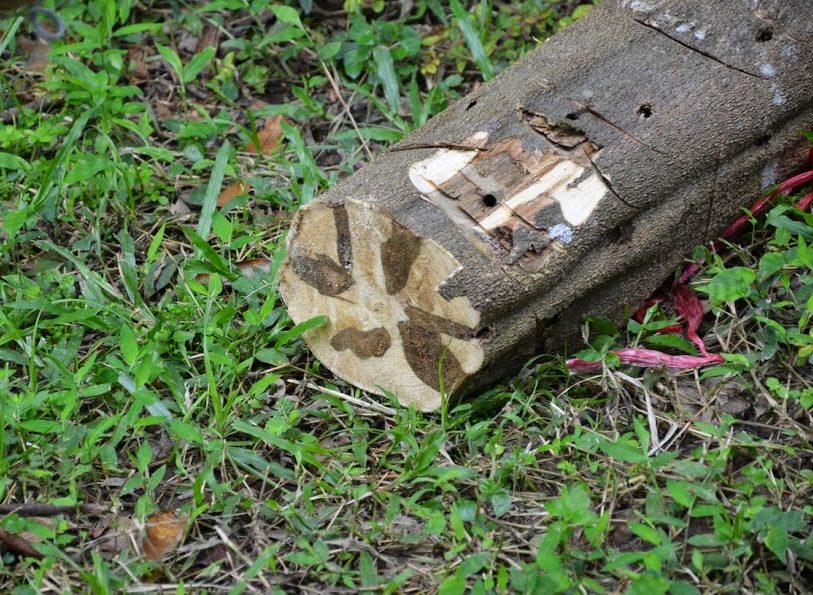

Agarwood: common questions
What is agarwood?
Agarwood is the resinous heartwood of Aquilaria trees. The tree produces the dark, fragrant resin as a defence response to wounding or infection.
Why is oud oil so expensive?
Only a small share of wild trees form resin, the wild genus is protected, and distillation needs a large volume of graded wood for a small amount of oil. Top-grade oil can exceed USD 50,000 per kilo.
Can agarwood be made synthetically?
Not commercially. Its main scent compounds are complex sesquiterpenes, and chemical substitutes do not closely match the natural scent.
Is plantation agarwood sustainable?
Yes. Cultivated, inoculated trees take pressure off endangered wild populations and keep genetic source material in managed hands.
Related crops


Develop a agarwood plantation with us
Request a free initial consultation with our plantation development and management team.