

Mangoes
The king of tropical fruit, grown in Thailand for one of the fastest-growing fruit trade markets in the world.
About Mangoes
Mango production and trade are growing quickly, and trade in mango products has risen sharply over the past decade. Supply has struggled to keep pace with demand, and most of the world’s mangoes are still eaten in the country where they are grown.
Mangoes come from South and Southeast Asia and have been cultivated for thousands of years. Thailand is one of the world’s leading mango exporters. Plantations International manages mango orchards at Siracha in Thailand, where trees were independently audited by BDO.
Ideal growing conditions
The site, soil and climate parameters our agronomists work to when developing a mango plantation.
Frost-free; cool dry spell triggers flowering
Dry weather at flowering improves fruit set
Slightly acidic to neutral
Best fruit quality below about 600 m
Water held back before flowering
Canopy pruned for light and harvest
What mangoes are used for
Fresh export
Premium Thai varieties for Asia and beyond.
Dried mango
A high-value, shelf-stable snack.
Pulp & juice
Nectars, smoothies and concentrates.
Chutneys & pickles
Green and ripe mango preserves.
Frozen
IQF chunks for food makers.
Green mango
A staple of Thai cooking.
A trade growing faster than supply
India is the largest mango producer but exports very little of its crop. Thailand is among the leading exporters by market share, South American countries supply large export volumes, and the United States and European Union are major importers.
Rising incomes in Asia and year-round demand in Western markets keep pressure on supply. Orchards that can deliver consistent, export-grade fruit are well placed to benefit.
From nursery to harvest
- 1Months 0–12
Nursery
Rootstock grafted with selected Thai varieties.
- 2Rainy season
Planting
Trees planted with drip irrigation and mulch.
- 3Years 1–3
Canopy training
Formative pruning builds a strong, open frame.
- 4Years 3–4
First crop
Early harvests as trees come into bearing.
- 5Years 7–10 onward
Full bearing
Mature yields for 40 years and more.
How we manage mangoes
Flower induction
Managed dry periods and nutrition encourage even flowering.
Fruit protection
Bagging fruit on the tree reduces pests and blemishes.
Pest & disease
Monitoring for fruit fly, hoppers and anthracnose.
Post-harvest
Hot-water treatment and grading for export markets.
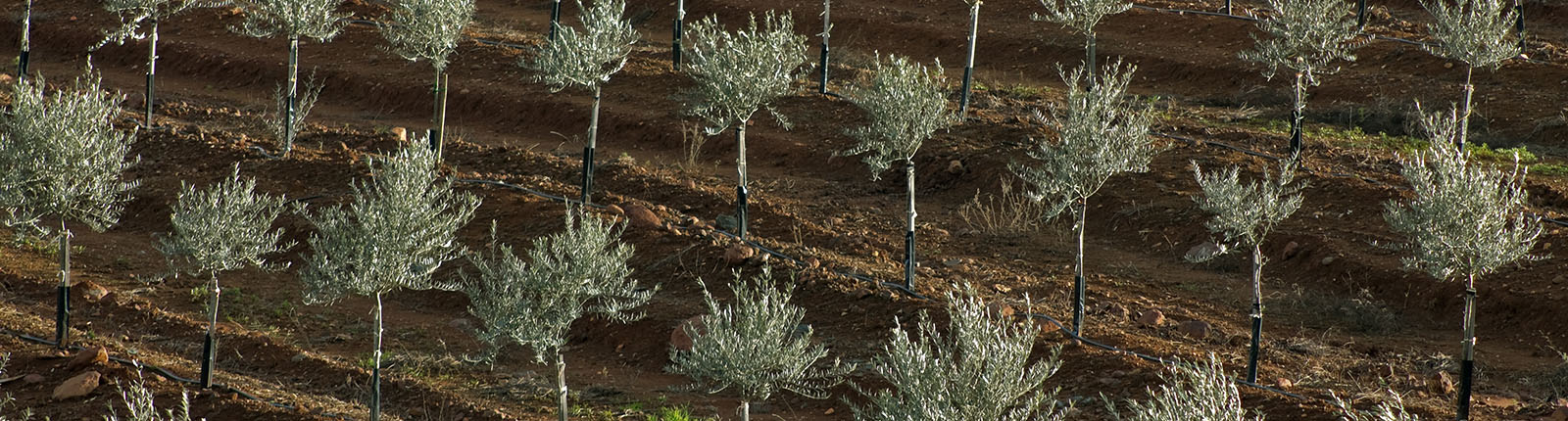
Mangoes in the field


Mangoes: common questions
Where does Plantations International grow mangoes?
At Siracha in Chonburi, Thailand. Clients can book inspection visits or take a 360° virtual tour.
How long until mango trees bear fruit?
Grafted trees usually give a first commercial crop in year 3–4, reaching full bearing around years 7–10.
Which mango varieties are grown in Thailand?
Popular Thai varieties include Nam Dok Mai, Mahachanok and Khiew Sawoey.
How long does a mango orchard produce?
Well-managed mango trees stay productive for 40 years and more.
Related crops


Develop a mango plantation with us
Request a free initial consultation with our plantation development and management team.