

Jatropha
A non-food oilseed for biodiesel and aviation fuel that grows on land unsuited to food crops.
About Jatropha
Jatropha curcas, also known as physic nut, is a hardy shrub whose seeds hold 30–40% inedible oil. Because it grows on arid and non-arable land, it produces fuel without competing with food crops for the best soils.
The oil can be burned directly, refined into biodiesel or processed into aviation biofuel, and the pressed seed cake becomes fertiliser or biogas feedstock. Plantations International manages jatropha from nursery to harvest and designs for realistic yields on each site.
Ideal growing conditions
The site, soil and climate parameters our agronomists work to when developing a jatropha plantation.
Plant with the monsoon; irrigation rarely needed
Grows on poor, marginal land
Does not tolerate waterlogging
Seed soaked 10–12 hours before sowing
20:120:60 N:P:K plus superphosphate
Living fences also yield seed
What jatropha is used for
Biodiesel
Oil transesterified with methanol and a catalyst.
Aviation fuel
Refined into sustainable jet fuel.
Direct fuel
Used in lamps, stoves and adapted engines.
Fertiliser
Press cake returned to the soil.
Glycerin
By-product of biodiesel production.
Biogas
Seed cake used as digester feed.
From seed to biodiesel
Biodiesel is made by transesterification: the oil reacts with an alcohol such as methanol, about 10% by weight, and a catalyst such as sodium or potassium hydroxide. The result is biodiesel and glycerin, which has its own market.
Jatropha has not been domesticated by plant breeders to the extent of food crops, so published yields vary widely. Site selection, planting material and management have a large effect on the result, which is why yields should be planned conservatively.
From nursery to harvest
- 1Days 0–9
Germination
Seed soaked and sown; seedlings emerge within 9 days.
- 2Monsoon
Planting
Seedlings or cuttings set out with the rains.
- 3Months 9–12
First flowering
Early, light seed set.
- 4Years 2–3
Commercial yields
Seed production rises steeply.
- 5Every 10 years
Rejuvenation
Plants cut back to 30 cm to renew growth.
How we manage jatropha
Nutrition
125 kg/ha superphosphate and 20:120:60 N:P:K a year from year two.
Disease
Collar rot controlled with a 1% Bordeaux mixture drench.
Pruning
Hard pruning every 10 years keeps plants productive.
Water
Irrigation is rarely needed when planting matches the monsoon.
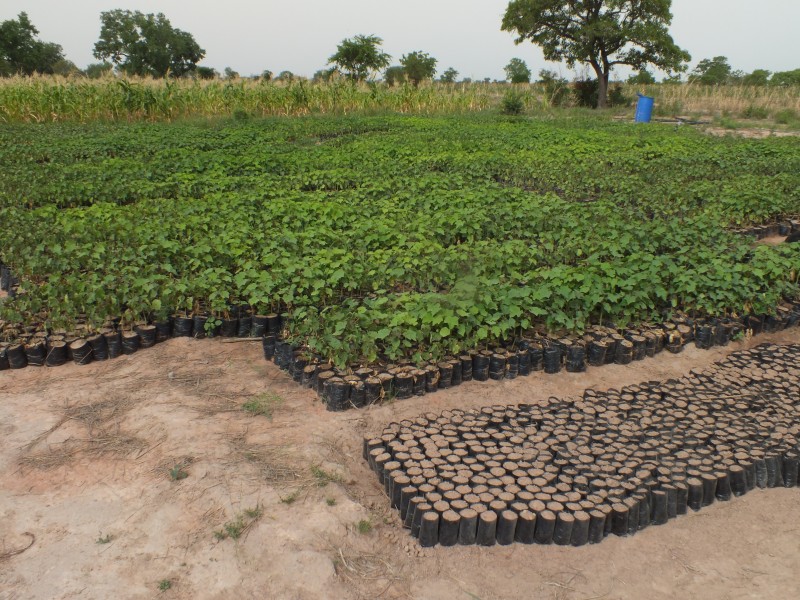
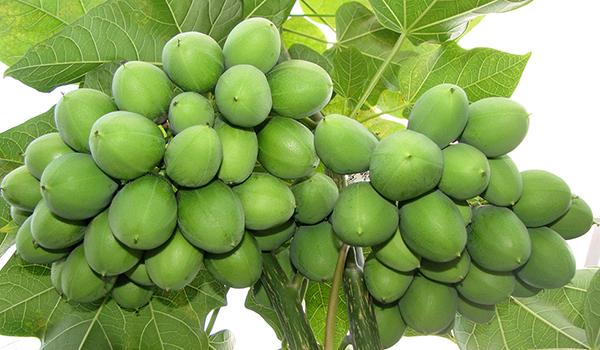
Jatropha in the field

Jatropha: common questions
Why is jatropha used for biofuel?
Its seeds contain 30–40% inedible oil, and the plant grows on land unsuited to food crops.
How is jatropha oil turned into biodiesel?
Through transesterification with methanol and a catalyst, which produces biodiesel and glycerin.
How long does jatropha produce seed?
About 30–40 years, and up to 50 where roots stay above a rising water table.
Does jatropha need irrigation?
Usually not. It tolerates about 250 mm of rain a year when planted at the start of the monsoon.
Related crops


Develop a jatropha plantation with us
Request a free initial consultation with our plantation development and management team.