

Bamboo
A fast-regenerating timber alternative, harvested every year from the same plants for more than 50 years.
About Bamboo
Bamboo is one of the fastest-growing wood resources on earth and a practical substitute for timber and tropical hardwoods. Industrial demand is rising across Asia, Africa and the Americas, and it is outpacing what natural bamboo forests can supply.
After harvest, a bamboo plantation regenerates from new annual shoots, so there is no replanting and no clear-felling. Plantations International plans nurseries, selects clumping or running species for each site, and manages plantations for steady annual yields.
Ideal growing conditions
The site, soil and climate parameters our agronomists work to when developing a bamboo plantation.
Tolerates 16–36 °C
Evenly spread; tolerates 1,270–5,000 mm
Tolerates sea level to 2,400 m
Relative humidity 75–85%
Deep, fertile, well drained; lime below pH 5.5
Above 80 km/h causes damage
What bamboo is used for
Construction
Scaffolding, structural poles and engineered panels.
Furniture & flooring
Laminated boards, flooring and fit-out.
Pulp & paper
High pulp yield per hectare.
Textiles
Bamboo fibre for yarns and fabrics.
Edible shoots
Fresh and processed shoots for Asian markets.
Land care
Soil stabilisation, erosion control and fodder.
Plantation economics
Natural bamboo forests yield only 2–6 tonnes per hectare, about a fifth of a well-managed plantation. A 1,000-hectare plantation can supply around 30,000 tonnes of wood a year, removing the need to cut more than 50,000 hardwood trees annually.
Set-up costs are similar to timber forestry, but payback is faster. Plantations typically become profitable after about five years and can recover their investment within ten. Intercropping with teak, maize or tea adds income in the early years.
From nursery to harvest
- 1Months 0–12
Nursery
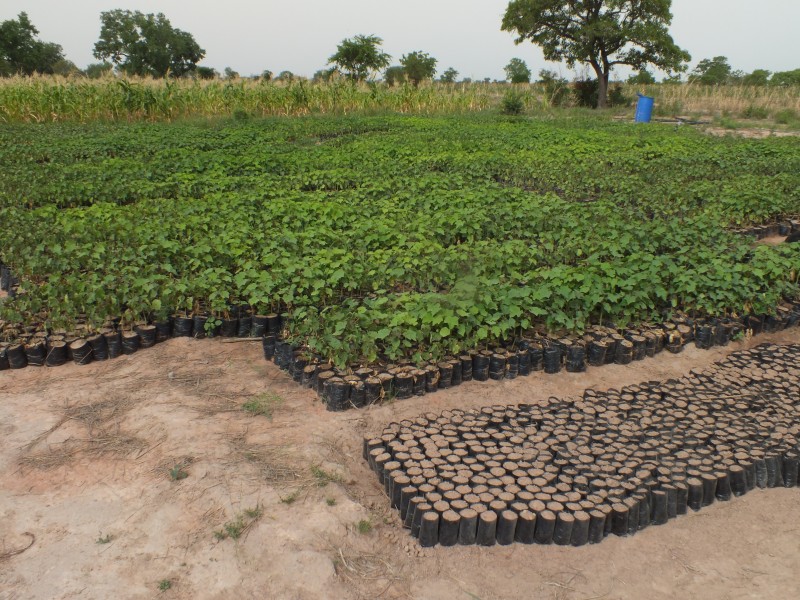
Cuttings raised on gentle, watered sites with balanced shade.
- 2Rainy season
Planting
Set out at the start of the rains, in north–south rows.
- 3Years 1–4
Establishment
Weeding within 60 cm of each plant and mulching.
- 4Years 5–6
First harvest
Mature culms selected from established clumps.
- 5Year 6 onward
Annual harvest
Selective cutting every year for 50+ years.
How we manage bamboo
Clump management
Old culms are thinned and clumps opened into a C-shape for new growth.
Weeds & mulch
Mulch protects moisture and shoot quality where rainfall is under 1,000 mm.
Plant health
Monitoring for fungal spots, sooty mould, rots and mosaic virus.
Post-harvest
Air drying, splitting and preservation against powder-post beetle.
Bamboo in the field



Bamboo: common questions
How quickly can bamboo be harvested?
New plantations usually give a first harvest after 5–7 years, then can be harvested every year.
Does bamboo need replanting after harvest?
No. The plant regenerates from new annual shoots, so a plantation can stay productive for more than 50 years.
Clumping or running bamboo?
Clumping types spread slowly and are easier to manage. Running types fill space faster and can be contained with barriers.
What climate does bamboo need?
Warm, humid conditions with 2,000–2,500 mm of evenly spread rainfall and deep, well-drained soil are ideal.
Related crops


Develop a bamboo plantation with us
Request a free initial consultation with our plantation development and management team.