

Advanced Cultivation Sciences
Plantations International applies grafting and budding, plant tissue culture and high density planting to get more from less land, at lower risk and with a smaller ecological footprint.
Advanced Cultivation Sciences
Innovations in plant propagation and cultivation have accompanied crop domestication since farming began. Better methods are needed to feed a growing population as arable land shrinks. Profitability drives improvement, but the scientific and farming community also wants higher output.
Plantations International aims to get more from less: more value at lower risk, more crops per acre and a smaller ecological footprint. Our focus areas are grafting and budding, plant tissue culture and high density planting.
By 2050, the world will need about 60% more food to feed roughly 2.5 billion additional people.
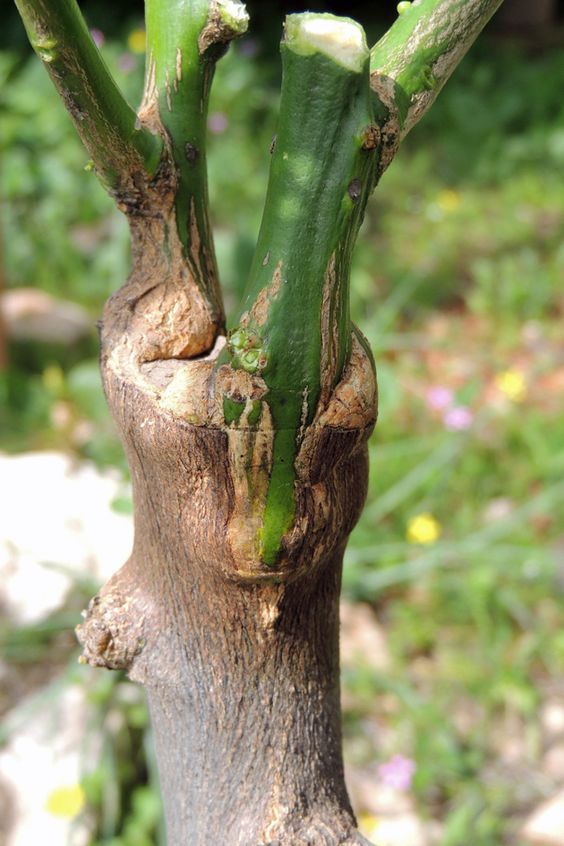
Grafting & Budding
These techniques are increasingly used in Musang King durian plantations. Grafted and budded trees are essentially clones, which gives them superior productivity over seed-grown trees. We believe these methods can improve yield, quality and disease resistance, all naturally.
Budding places a bud from one plant onto a related plant. Grafting places a section of stem onto a related plant. In both cases, the plants grow as one. Budding is considered modern, but grafting dates back about 4,000 years to ancient China and Mesopotamia.
"Grafting is now a well-developed practice that has had a wide impact on agricultural production."
- Clonal trees with superior productivity over seed-grown trees
- Improved yield, quality and natural disease resistance
Plant Tissue Culture
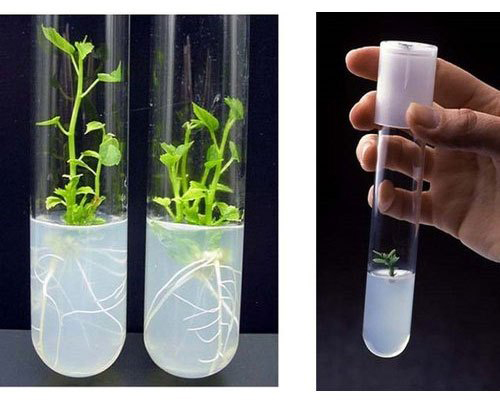
Tissue culture grows cells or tissues in an artificial medium, separate from the organism. Under the right conditions, a whole plant can regenerate from a single cell.
It is widely used for rapid clonal (in-vitro) propagation of rice, palm oil, rubber trees, sugarcane, bananas, sweet potato and tomato. We see it as a food security solution, especially for developing countries that struggle with food access because of limited capital, knowledge and infrastructure, and reliance on imports.
The main benefit is the rapid production of high-quality, disease-free, uniform plants. The drawbacks are that it is capital, research, labour and energy intensive. We work with leading researchers to find new practical applications.
- Rapid production of high-quality plants
- Disease-free, uniform planting material
- Drawback: capital, research, labour and energy intensive
High Density Planting (HDP)
High density planting means planting more densely than the level that would give maximum yield at maturity if plants grew to their full natural size. Density is measured as plants per given area. Optimal HDP can increase productivity per unit of land.
We are strong advocates and consider HDP vital for feeding the world as land shrinks and food demand rises. Implementation relies on restricting vegetative growth through dwarfing, bioregulators, pruning and other advanced techniques.
We are pioneering HDP on our Agarwood plantations in Malaysia and Indonesia after years of research and development.
- Challenge: very research, capital and labour intensive
- Challenge: only certain cultivars work well
- Challenge: requires advanced management that is not widely available worldwide
Related links
Farmers Are The Backbone of Society
Talk to our plantation team about developing, managing or owning a sustainable farm or orchard.